The TRUE Aftershock of Earthquakes
August 1, 2014On March 28, 2014 at 9:09 p.m., a 5.1 magnitude earthquake shook Southern California with the epicenter located southeast of Los Angeles between La Habra and Brea. This earthquake was considered to be light to moderate in strength according to the United States Geological Survey (USGS), but it left several ASCIP members with significant damage and has disrupted educational programs for students in those schools affected by the quake.
Even though staff responded quickly to turn off utilities and evaluate facilities which helped to prevent greater losses, the current estimated total property damage is $5,000,000 to date for the Brea Olinda Unified School District, Fullerton School District, North Orange County Community College District, and Walnut Valley Unified School District combined. Damages included fallen fixtures, structural damage, exterior and interior wall cracks, broken windows, damage to furniture and supplies, and water damage due to broken pipes.
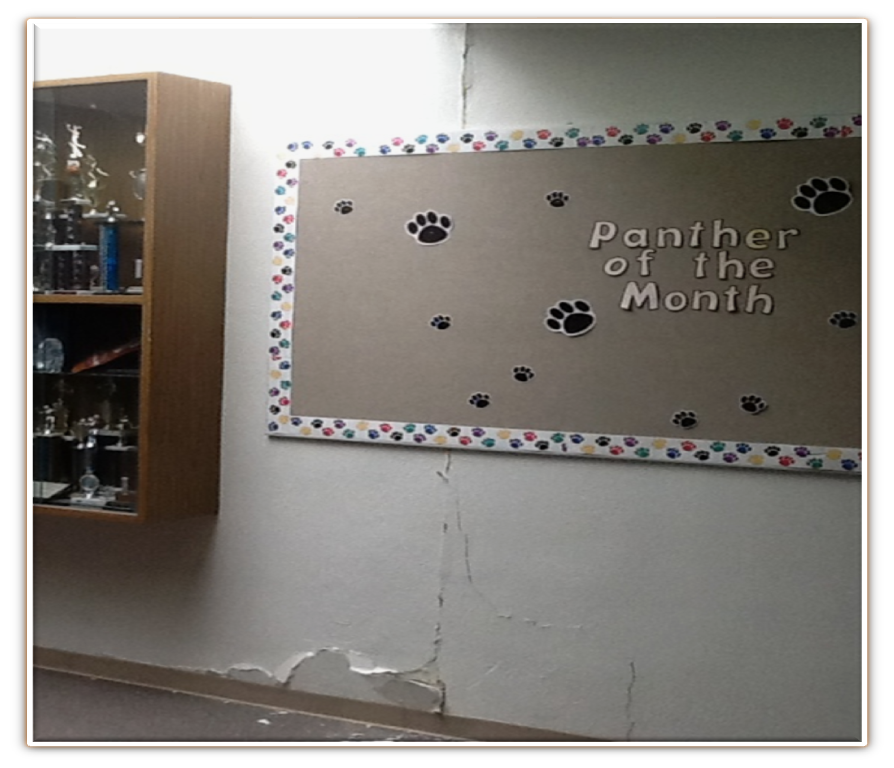
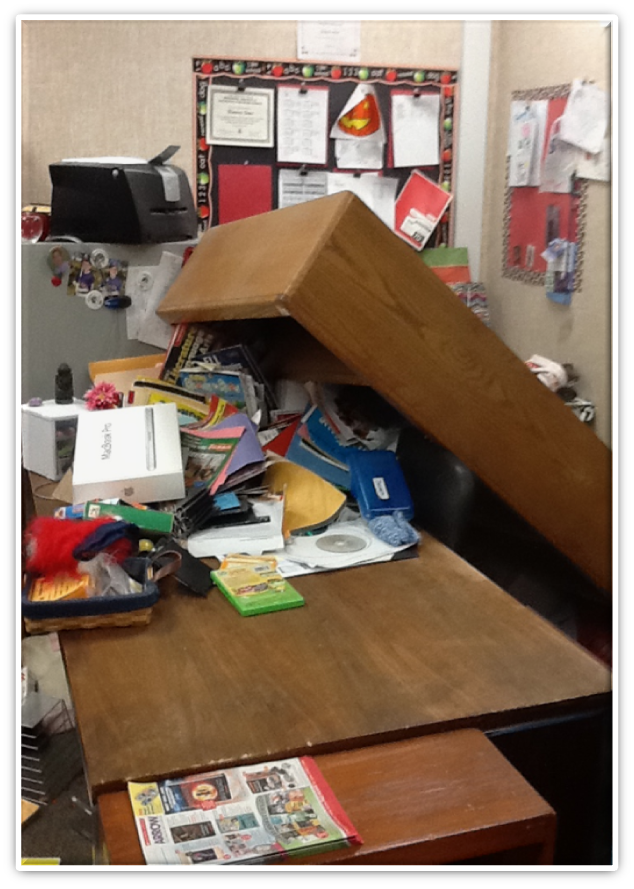
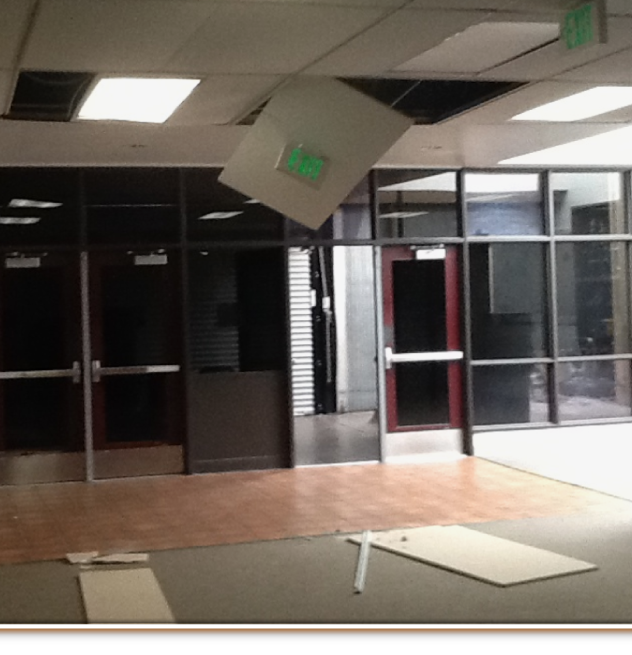
One district had to close an elementary school due to the disturbance of asbestos. The Performance Arts Center had to be closed at another site due to structural damage. The elementary students were relocated to temporary facilities until repairs could be made.
Despite the significant damage experienced by these members, the incident did not rise to a level to be declared as a “major disaster” by the President of the United States. Therefore, the Federal Emergency Management Agency (FEMA) did not make funds available to assist in repairing damaged school facilities. (For more information about the the declaration process and the FEMA Public Assistance Grant Program go to: http://www.fema.gov/disaster-process-disaster-aid-programs)
This “minor” earthquake has caused significant hardships for the affected schools with regards to staff time, student displacement and financial impacts. According to Barbara Ott, Risk Manager for the Brea-Olinda USD, “the District never anticipated all of the challenges associated with the recovery of a ‘minor’ earthquake. Certainly, the financial impact has been the most challenging because we simply did not have reserve funds available to complete the needed repairs.” While there was an outpouring of support in handling the initial recovery, there is now significant pressure from parents and the local community to reopen the elementary school. Ott states “We have had to be very creative in finding ways to fund the repairs”.
While ASCIP members have limited coverage for some earthquake related damages such as loss due to sprinkler leakage and direct loss from fires (subject to terms and conditions), standard property insurance excludes earthquakes as a covered peril. Therefore, recovery from these types of incidents can take several years and can draw funds away from educational programs in order to accomplish necessary repairs. That being said, ASCIP also offers risk control services to minimize addition losses and to assist with recovery, such as industrial hygiene consultation. Members are encouraged to contact ASCIP for assistance when encountering such a loss.
Earthquake Preparation Best Practices
The Katz Act was passed by the State Legislature in 1984 and amended in 1988, requiring K-12 public and private schools and county offices to establish an earthquake emergency system (see Education Code Sections 35295-35297). Additionally, Government Code Article 9, Section 8607 requires the use of the Standardized Emergency Management System (SEMS) when responding to, managing and recovering from disasters or major emergencies. To be eligible for state and federal reimbursement after a major disaster is declared, local governmental agencies (K-12 public schools and Community Colleges) must use SEMS when the emergency Operations Center is activated.
ASCIP suggests the following to prepare for an earthquake and to comply with the above requirements:
- Develop a disaster plan which includes the safety and care of students and staff. The plan should outline emergency roles, procedures to follow and appropriate ongoing training for all employees and students. Districts should create emergency procedures for earthquakes as part of their Safe Schools Plan. These plans should be site specific and a “living document” whereby changes in staff, facilities, or district processes/procedures should prompt updates and additional training. When developing such procedures, districts should identify potential hazards and vulnerabilities, protocols to correct hazards or minimize potential damage, key resources necessary to respond appropriately during and after an incident, and strategies to recover from or restore to normal operating conditions.
- Have sufficient emergency supplies available for staff and students to shelter in place as necessary. These supplies should be inventoried on a regular basis and replaced before expiration dates. Additionally, staff should be knowledgeable on where emergency supplies are stored and how to use these supplies.
- Conduct periodic drills to train students and staff in the “drop, cover and hold” procedure, the evacuation procedure, and other emergency response actions, such as search and rescue, communications, and damage assessment. Simple drills should be held quarterly in elementary schools and once a semester in secondary schools. More complicated drills should be held once or twice a year.
- Provide training programs to ensure that staff and students are aware of, and properly trained to follow the district’s disaster plan and the emergency response procedures, as well as State and Federal requirements including the Standardized Emergency Management Systems (SEMS) and the National Incident Command System (NIMS). FEMA will only reimburse those organizations that are compliant with SEMS and NIMS training requirements.
- Designate staff to respond afterhours to shut off water, gas, electricity, etc. to prevent further damage and to evaluate sites for damage immediately following a disaster. Responding staff should be familiar with the district’s Asbestos Hazard Emergency Response Act (AHERA) plan and wear personal protective equipment as trained.
- Contract with a local, California registered, structural engineer to assist with damage assessment after an earthquake and to report damage to the Office of State Architect, Structural Safety Section (OSA/SSS).
- Evaluate facilities and evacuation routes now for potential hazards to ensure the safety of students and staff when an earthquake or other emergency occurs (i.e. look for unsecured bookshelves that might topple onto students or block exit routes, or identify overhead power lines that could fall rendering evacuation areas unsafe).
- Contract with a licensed Asbestos remediation company and a certified Industrial Hygienist.
- Learn about your community’s emergency plans and how to coordinate for an effective recovery.
- Be prepared to have school sites serve as possible public shelters for the community during disasters or emergencies. Review agreements early to assure your students educational needs can be met and that risks associated with these Shelters is transferred appropriately.
ASCIP can assist members to develop, review and/or revise their existing emergency procedures and any agreements. Additionally, ASCIP has created a sample emergency supplies list to assist Districts ensure they have adequate emergency supplies available in the event that staff and students need to shelter in place.
Best Practices After an Earthquake
ASCIP recommends the following best practices after an earthquake occurs:
- Districts’ staff need to survey buildings/sites as soon as possible following an earthquake to determine damage. However, use judgment and appropriate personal protective equipment before entering a damaged building to assure the safety of responding personnel.
- Determine the need to shut off utilities (gas, electricity, and water). Staff’s prompt response can prevent further damage/loss from occurring, such as water damage from broken pipes.
- Staff should determine whether building debris contains asbestos or lead. If unknown, such material should not be disturbed, then test accordingly.
- Notify ASCIP as soon as possible. ASCIP may be able to assist with industrial hygiene and other consultative services to minimize exposures to staff and students from asbestos, lead, and other hazardous materials, as well as, other loss.
- Determine whether buildings can be reoccupied or whether alternative locations will be needed.
- During the response and initial recovery phase, Districts should be in close communication with their respective County Office of Emergency Services.
- For post-disaster safety inspections, Districts can contact the California Emergency Management Agency (Cal EMA) to request evaluators through the Safety Assessment Program which utilizes volunteers and mutual aid resources to provide professional engineers, architects and certified building inspectors to assist local governments with safety evaluations of their structures following a disaster.
- Determine the need to report damage to the Office of State Architect, Structural Safety Section (OSA/SSS). It is their policy that once damage has been reported to OSA/SSS , then post-earthquake safety evaluations performed by California registered structural engineers must be conducted before the facility can be occupied again. Districts are encouraged to report damage as outlined in the Post Earthquake Damage Evaluation and Reporting Procedures: A Guidebook for California Schools.
- Determine whether State or Federal Funds are available through the FEMA Public Assistance Grant Program. See following link to the regarding the declaration process: http://www.fema.gov/disaster-process-disaster-aid-programs. The “Submission for Public Assistance by Applicant” form can be obtained by clicking on the following link: http://www.fema.gov/media-library-data/20130726-1606-20490-4263/90_049_2013.pdf.